

Advanced OIU (Optical Internal Urethrotomy) Treatment in Ludhiana
Leading Urology Specialists for OIU Surgery at Aastha Kidney Hospital
OIU (Optical Internal Urethrotomy) in Ludhiana (Punjab)
Find the best treatment and OIU (Optical Internal Urethrotomy) in Ludhiana at Aastha Kidney & Super Speciality Hospital, our experienced team of doctors and specialists provides Optical Internal Urethrotomy Diagnosis and Treatment at an affordable cost in Punjab.
Book your appointment today only to get the best treatment plan as per the diagnosis and your current situation.
What indicates OIU (Optical Internal Urethrotomy)
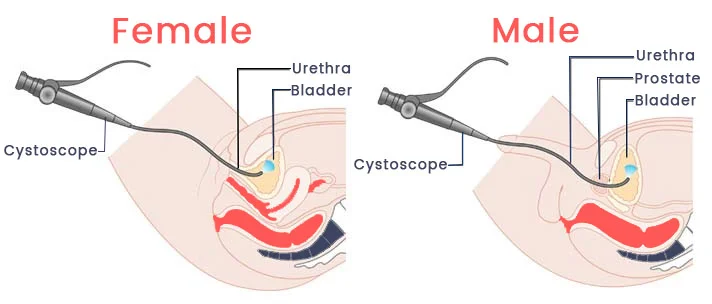
Internal urethrotomy is the therapeutic option to treat short urethral strictures without scarring.
What are the contraindications to internal urethrotomy?
Coagulation disorders
Untreated urinary tract infection
What are the surgical techniques of Internal Urethrotomy?
Blind Internal Urethrotomy (Otis)
An Otis urethrotomy is the blind transurethral incision of the urethra performed by Otis urethrotome. Once Otis urethrotome is inserted, the urethra is dilated according to the desired width and the blade is used to cut stretched urethra.This option is ideal for palliative treatment for the long-segment strictures of the male urethra or for the female urethra to treat proximal narrowing. Before the old resectoscopes are performed Otis urethrotomy is done. This is done in a narrow urethra to stop ischemic damage. The use of modern 24 CH resectoscopes is necessary.Seek medical help from the experts and they will give you the latest treatment plan which helps you live a better quality life. Getting a timely diagnosis helps to treat the problem on time and it will not go further
Perioperative antibiotic prophylaxis
Internal urethrotomy is done with sterile urine. If there is an infection then it needs to be treated with the medications right away. For one day the perioperative antibiotic medications are ciprofloxacin 500 mg p.o. 1-0-1. The antibiotic prophylaxis can help the patient to deal with the urinary tract infection. Additionally, this can help to reduce the recurrent urinary tract infection, fever, and urethral strictures.
Preoperative Preparations
The patient needs to stay in a lithotomy position. Disinfect the lower abdomen, sterile draping, perineum, and external genitalia. General anesthesia or spinal anesthesia is given for internal urethrotomy.
Direct-Vision Internal Urethrotomy
Direct-vision urethrotomy is the transurethral incision of the stricture. A cold knife is used and an alternative option to cut the structure is with a laser fiber. To minimize scar contraction, it is important to reach healthy tissues.
Postoperative Management after Internal Urethrotomy
Control micturition with the urinary flow and residual urine
Perioperative antibiotic treatment
A transurethral catheter for 2 to 7 days, depending on urethrotomy length.
Long-term catheterization for up to 6 weeks. Recurrent urethral obturation helps in stopping recurrent urethral stricture
Complications of Internal Urethrotomy
Complications of Internal Urethrotomy: Internal urethrotomy is generally considered a safe and minimally invasive procedure. However, as with any surgical treatment, certain complications may occur. Your doctor will discuss the potential risks and expected outcomes before the procedure.
Recurrence of Urethral Stricture: One of the most common complications is the recurrence of the urethral stricture. Scar tissue may develop again after treatment, which can cause difficulty in passing urine and may require further evaluation or treatment.
Bleeding: Some bleeding may occur during or after the procedure. In rare cases, deeper incisions involving the corpus spongiosum or corpus cavernosum can result in significant bleeding. This can usually be controlled with appropriate medical management, including the placement of a properly sized urinary catheter when required.
Erectile Dysfunction: Erectile dysfunction is a rare complication that may occur if the erectile tissues are injured during the procedure. However, this is an uncommon occurrence and will be discussed with the patient as part of the surgical consent process.
Urinary Incontinence: In rare cases, injury to the urinary sphincter may lead to urinary incontinence, resulting in difficulty controlling the flow of urine. The risk depends on the location and extent of the urethral stricture and the complexity of the procedure.
Other Possible Complications: As with any procedure, there may also be risks such as infection, discomfort, urinary tract infection, or temporary difficulty in urination. Your urologist will assess your individual condition and explain the potential risks and benefits before recommending the procedure.
Get medical help
If you are facing health issues that are making it difficult for you to live a normal life then consult the doctor right away. At Astha Hospital, the entire team of doctors and staff are highly skilled and experienced in giving the best treatment care. Your health is our priority and we are here to help you in case of any emergency.