
Laparoscopic Surgery in Ludhiana – Advanced Minimally Invasive Treatment
Top Laparoscopic Surgery Hospital in Ludhiana, Punjab
Book Consultation for Laparoscopic Surgery in Ludhiana, Punjab
Get your Laparoscopy Surgery in Punjab from the most trusted and certified hospital, Aastha Kidney & Super Speciality Hospital which provides the Laparoscopic Surgery in Ludhiana at an affordable cost. Doctor also performs some imaging tests like Ultrasound to examine the problem. You also need to be in a fasting state during the surgery means no food or drinks 8 hours before the surgery.
What is Laparoscopy?
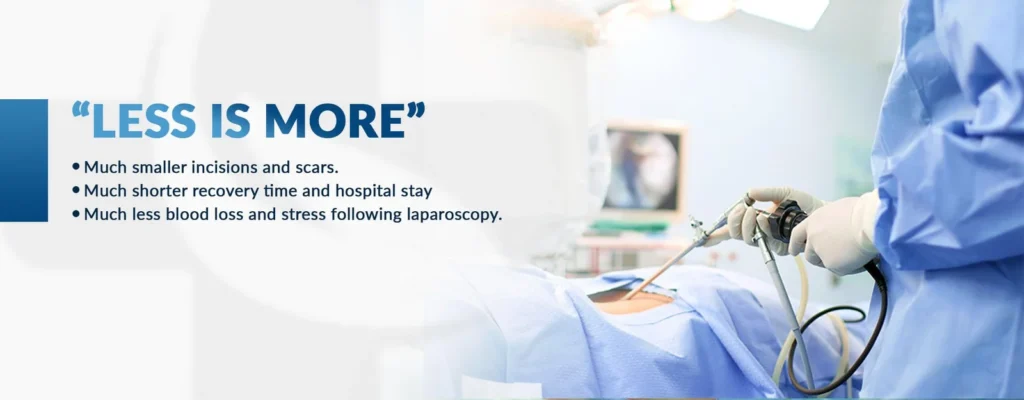
Laparoscopic surgery, also known as minimally invasive surgery or keyhole surgery, is an advanced surgical technique used to diagnose and treat a wide range of abdominal and pelvic conditions. During the procedure, the surgeon makes one or more small incisions through which a laparoscope—a thin tube fitted with a high-definition camera and light source—is inserted. The camera transmits clear, magnified images of the internal organs to a monitor, allowing the surgeon to perform the procedure with exceptional precision while minimizing damage to surrounding tissues.
Laparoscopic surgery is commonly recommended when imaging tests such as Ultrasound, CT Scan, or MRI do not provide enough information or when a minimally invasive surgical procedure is the most effective treatment option. Compared to traditional open surgery, laparoscopy offers several advantages, including smaller incisions, less pain, minimal scarring, reduced blood loss, shorter hospital stays, and faster recovery.
Laparoscopy is commonly used to diagnose and treat conditions affecting the following organs:
- Appendix
- Gallbladder
- Liver
- Pancreas
- Small and Large Intestine
- Colon
- Spleen
- Stomach
- Female Reproductive Organs
This advanced procedure also helps in detecting and evaluating conditions such as abdominal tumors, fluid accumulation in the abdominal cavity, liver diseases, and certain stages of cancer. It is also valuable for assessing the progress of ongoing treatment and planning the most appropriate surgical approach.
Preparing for Laparoscopic Surgery & Procedure
Before undergoing laparoscopic surgery, your surgeon will review your medical history and perform a thorough evaluation to ensure the procedure is safe and effective. It is important to inform your doctor about any medications, vitamins, or supplements you are taking, as certain medicines may need to be adjusted or temporarily stopped before surgery. Women should also inform the doctor if they are pregnant or suspect pregnancy so that appropriate precautions can be taken.
On the day of the procedure, you may be advised to avoid eating or drinking for several hours before surgery, as instructed by your healthcare provider. Following these pre-operative guidelines helps reduce the risk of complications and ensures a smoother surgical experience.
Laparoscopic surgery is usually performed under general anaesthesia, allowing you to remain asleep and pain-free throughout the procedure. An intravenous (IV) line is placed to administer anaesthesia, fluids, and medications during the surgery. Once you are unconscious, the surgeon makes a small incision, typically near the belly button, and inserts a thin tube called a cannula. Carbon dioxide gas is gently introduced into the abdomen to create space, providing a clear view of the internal organs. A laparoscope, equipped with a high-definition camera and light source, is then inserted through the incision to guide the surgeon with precise, real-time images. Additional small incisions may be made if surgical instruments are required to perform the procedure.
After the surgery is completed, the instruments are removed, the carbon dioxide gas is released, and the incisions are closed with sutures or surgical adhesive. Most patients experience less pain, minimal scarring, and a quicker recovery compared to traditional open surgery.
Recovery After Laparoscopic Surgery & Results
After laparoscopic surgery, you will be monitored in the recovery area for a few hours to ensure your condition is stable before you are discharged. During this time, the medical team closely observes your vital signs, including your heart rate, blood pressure, breathing, and oxygen levels, while also monitoring for any reaction to the anaesthesia or signs of excessive bleeding. The duration of your hospital stay depends on factors such as your overall health, the type of anaesthesia used, the complexity of the procedure, and how your body responds to surgery.
It is normal to experience mild to moderate discomfort around the incision sites for a few days after the procedure. Some patients may also experience temporary bloating, abdominal discomfort, or shoulder pain caused by the carbon dioxide gas used during surgery. These symptoms usually improve within a few days and can be effectively managed with medications prescribed by your doctor. Most patients are able to resume their normal daily activities much sooner than after traditional open surgery, although recovery time may vary depending on the type of procedure performed.
If a biopsy or tissue sample is taken during laparoscopy, it is sent to a pathologist for detailed examination. The results help your doctor diagnose or confirm various abdominal and pelvic conditions and determine the most appropriate treatment plan. Laparoscopy can assist in identifying conditions such as appendicitis, hernias, adhesions (scar tissue), ovarian cysts, tumours, endometriosis, gallbladder inflammation (cholecystitis), intestinal disorders, liver diseases, and certain types of cancer. Once the pathology report is available, your doctor will discuss the findings with you and recommend any further treatment or follow-up care if required.